Creating a comfortable and productive home office space has become essential for many people working remotely or pursuing personal projects. A well-designed workspace not only enhances your focus and efficiency but also supports your health and well-being throughout the workday. Whether you have a dedicated room or just a small corner, the right setup can make all the difference. Here are practical tips to help you create an inviting and effective home office environment.
Choose the Right Location
Selecting the best spot for your home office is the first and most important step.
– Natural Light: Aim for a space with plenty of natural light. Sunlight can improve mood and reduce eye strain.
– Quiet Area: Choose a low-traffic area of your home to minimize distractions and noise interruptions.
– Proximity: Consider how close you want to be to other parts of the house, such as the kitchen or bathroom, for convenience.
Invest in Ergonomic Furniture
Comfortable furniture helps prevent physical strain and boosts concentration.
– Ergonomic Chair: Invest in a chair that supports your back and promotes good posture.
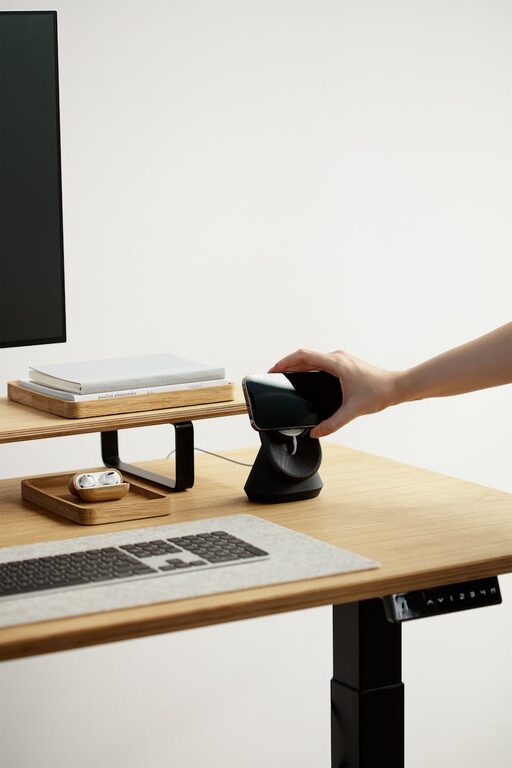
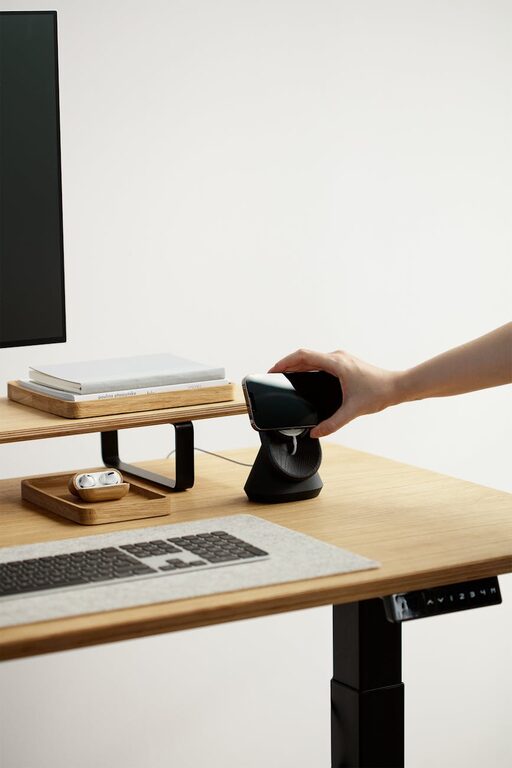
– Adjustable Desk: A desk that fits your height or is adjustable (standing desks are great options) can reduce discomfort.
– Monitor Placement: Position your computer monitor at eye level to avoid neck pain.
Organize Your Space Efficiently
A clutter-free environment encourages productivity and reduces stress.
– Use Storage Solutions: Shelves, filing cabinets, or drawers help keep essentials within reach but out of sight.
– Declutter Regularly: Schedule time weekly to clear unnecessary items and organize paperwork.
– Desk Organization: Utilize organizers for pens, paper, and other supplies to keep your desk tidy.
Personalize Your Workspace
Adding personal touches makes your office inviting and motivates you to spend time there.
– Decor: Use artwork, plants, or photos that inspire and relax you.
– Color Scheme: Choose calming or energizing colors depending on your preferences.
– Comfort Items: Include items like a cozy blanket or a small cushion for added comfort.
Optimize Lighting
Proper lighting is vital to reduce eye strain and maintain alertness.
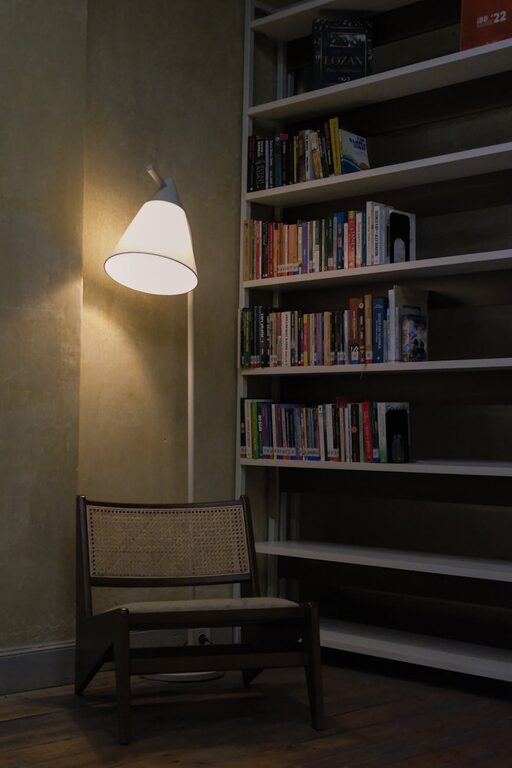
– Task Lighting: Use a desk lamp for focused work during early mornings or evenings.
– Avoid Glare: Position screens perpendicular to windows and use blinds or curtains to control sunlight.
– Ambient Lighting: Soft overhead light balances the workspace, preventing harsh shadows.
Minimize Distractions
Keeping focused can be challenging, especially at home.
– Set Boundaries: Communicate your work schedule to family or housemates.
– Noise Control: Use noise-cancelling headphones or white noise machines if necessary.
– Limit Digital Interruptions: Silence non-essential notifications on your devices during work hours.
Incorporate Technology Wisely
The right tools can streamline your workflow and reduce frustration.
– Reliable Internet: A stable and fast internet connection is crucial for virtual meetings and online tasks.
– Quality Equipment: Use a good keyboard, mouse, and headset to enhance comfort and efficiency.
– Cable Management: Organize cables to avoid clutter and potential hazards.
Encourage Movement and Breaks
Sitting for long periods can be harmful; incorporating movement helps maintain energy.
– Take Regular Breaks: Follow the 20-20-20 rule — every 20 minutes, look at something 20 feet away for 20 seconds.
– Stretching: Perform simple stretches or short walks around your home.
– Alternate Positions: Use a standing desk or a balance ball chair occasionally to vary your posture.
Maintain a Routine
Having a consistent daily schedule improves productivity and work-life balance.
– Set Work Hours: Define when your workday starts and ends to prevent overworking.
– Morning Ritual: Begin with a routine that prepares you mentally, like coffee or a quick meditation.
– Organize Tasks: Use planners or apps to plan your day and prioritize tasks.
—
Creating a home office tailored to your needs can make remote work more enjoyable and sustainable. By paying attention to location, comfort, organization, and technology, you’ll set yourself up for success in your home workspace. Remember to keep your space flexible and adjust it as your needs evolve. Happy working!