Creating a relaxing home workspace can make a significant difference in your productivity and overall well-being. When your work area feels peaceful and inviting, it’s easier to stay focused, reduce stress, and maintain motivation throughout the day. Whether you work from home full-time or occasionally need a quiet spot to tackle tasks, these practical tips will help you set up a workspace that supports both relaxation and efficiency.
Why a Relaxing Workspace Matters
Your environment has a strong impact on your mood and productivity levels. A cluttered or noisy space can increase stress and make it hard to concentrate. On the other hand, a well-organized, calming area encourages clear thinking and creativity. Taking time to design a workspace that suits your needs is an investment in your comfort and work quality.
Choose the Right Location in Your Home
The first step is selecting the best spot for your workspace. Ideally, find a quiet area away from distractions like television or busy family zones. Natural light is a big plus, so position your desk near a window if possible. If space is limited, even a small corner dedicated just to your work can make a difference.
Consider these factors:
– Noise levels
– Lighting (natural and artificial)
– Privacy
– Temperature and air quality
Invest in Comfortable Furniture
Comfort plays a huge role in how relaxed and productive you feel. A good chair with proper lumbar support helps prevent back pain, while a desk at the right height promotes better posture.
Tips for choosing furniture:
– Look for an adjustable chair with armrests
– A desk with enough space for your computer, documents, and a few personal items
– Use a footrest if your feet don’t rest flat on the floor
Organize Your Workspace to Reduce Clutter
Clutter can quickly become overwhelming and distracting. Keeping your desk tidy and organized helps you find what you need quickly and keeps your mind clear.
Ways to stay organized:
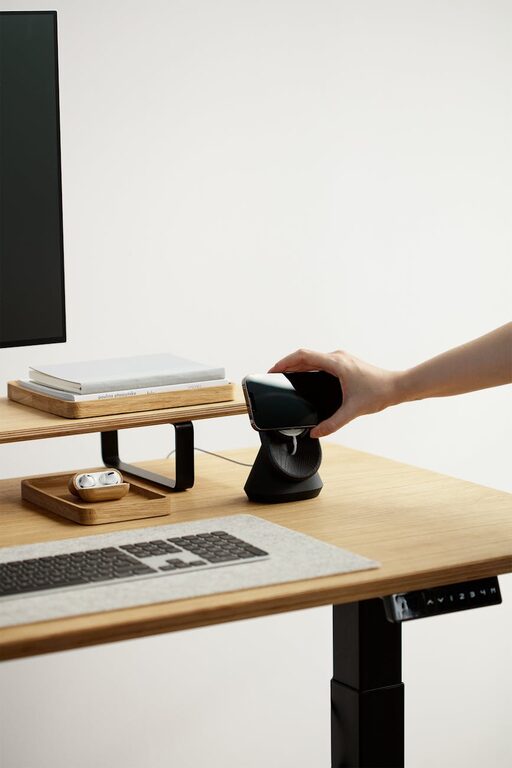
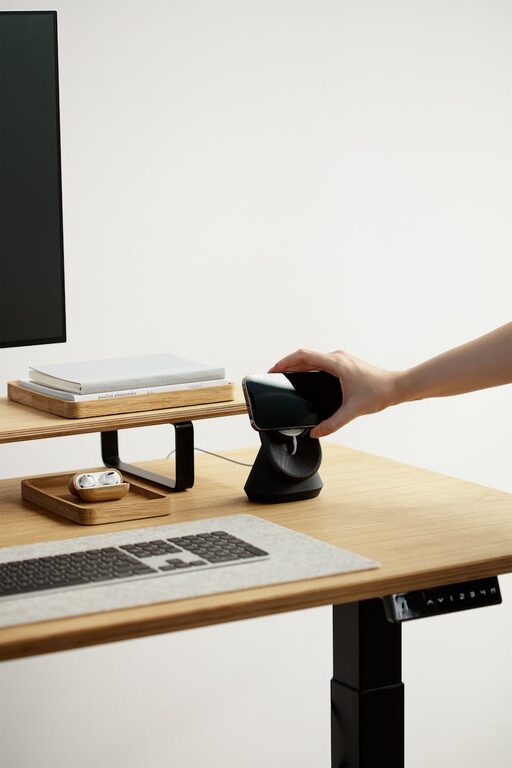
– Use drawer organizers, trays, or small containers for supplies
– Keep only essential items on your desk surface
– Create storage solutions that suit your workflow, like shelves or filing cabinets
Add Soothing Elements
Incorporate items that bring calm and positivity to your space. These can help reduce anxiety and increase your comfort during long work hours.
Ideas include:
– Plants or flowers to bring a touch of nature
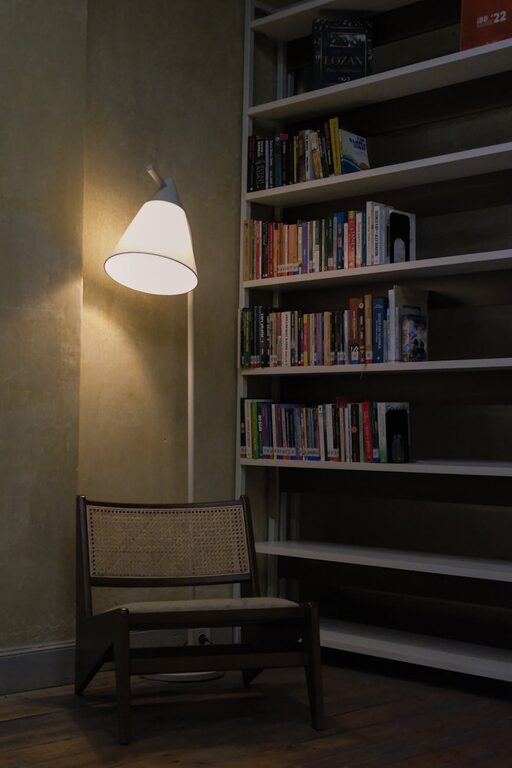
– Soft lighting from lamps or string lights instead of harsh overhead fluorescents
– Calming colors like soft blues, greens, or neutrals on walls or decor
– Personal items such as photos, inspirational quotes, or artwork
Minimize Distractions
A relaxing workspace also means limiting interruptions and noise. Use noise-cancelling headphones or soft background music if it helps you focus. Turn off non-essential notifications on your computer or phone during work time.
Use Technology Wisely
Make sure your computer, keyboard, mouse, and other devices are set up ergonomically to avoid strain. Invest in tools that improve efficiency, like a second monitor or a wireless keyboard, but avoid unnecessary gadgets that clutter your space or distract you.
Maintain Cleanliness Regularly
A clean workspace feels more inviting and reduces the chance of illness. Wipe down surfaces, clean your keyboard and mouse, and vacuum or dust the area on a weekly basis.
Incorporate Break Zones
If space allows, include a comfortable spot nearby where you can take short breaks. A cozy chair or cushion can encourage you to step away from your desk and recharge.
Set a Routine and Boundaries
Finally, create a daily routine to help separate work time from personal time. When your workspace feels inviting and relaxing, it’s easier to settle into a productive mindset, but make sure to take regular breaks and know when to step away.
—
By thoughtfully combining comfort, organization, and a touch of personality, your home workspace can become a calming place where productivity flourishes. Try these tips and watch how a well-designed environment transforms your workdays.