Creating a home office that is both cozy and productive can greatly improve your work-from-home experience. Whether you’re new to remote work or looking to upgrade your current setup, designing a space that promotes focus and comfort is key. Here are some practical tips to help you build a home office that feels inviting and helps you get your work done efficiently.
Choose the Right Location
Consider Natural Light
Pick a spot near a window if possible. Natural light can boost your mood and energy levels. Position your desk so that the light doesn’t cause glare on your computer screen but brightens the room.
Find a Quiet Space
Try to select a place where you can minimize distractions. If you live with others, a quiet corner or a spare room can serve as a good home office. Noise-canceling headphones can also help if complete silence isn’t an option.
Invest in Comfort and Ergonomics
Select a Supportive Chair
A comfortable chair with good lumbar support is essential. Spending long hours sitting requires good posture to reduce fatigue and prevent pain.
Opt for the Right Desk
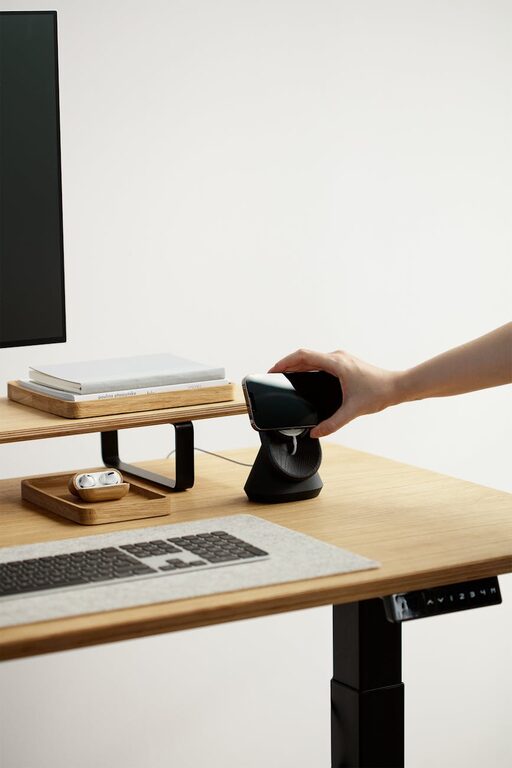
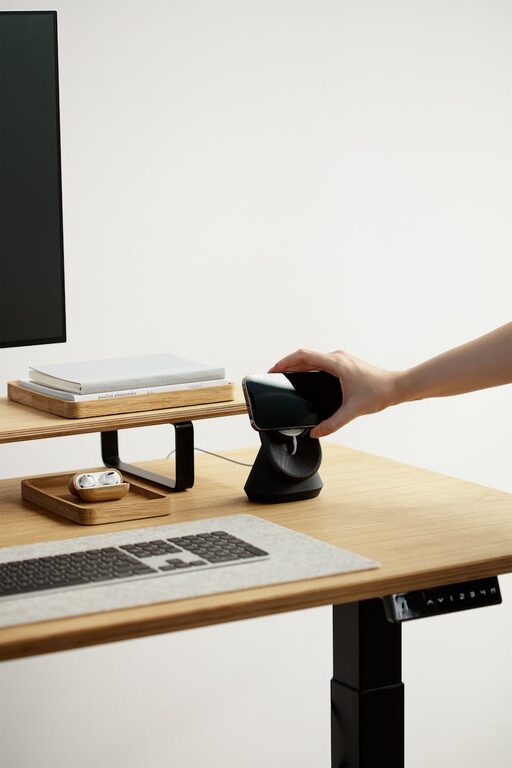
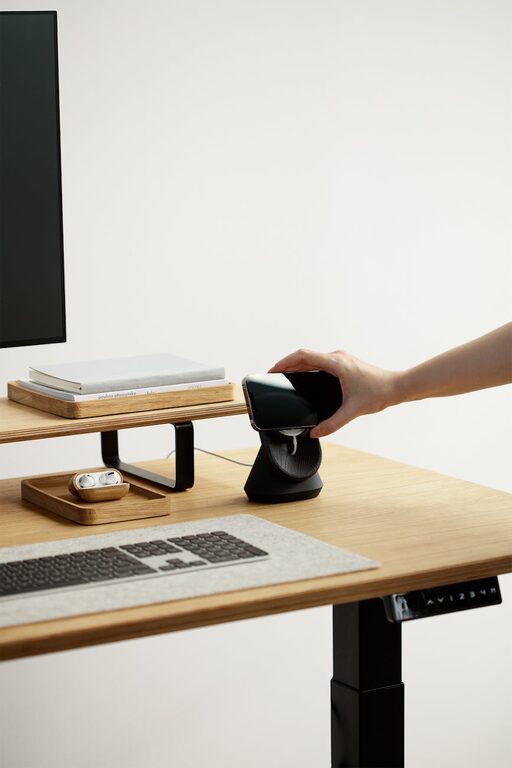
Choose a desk that suits your work style and space. Whether it’s a simple table or a sit-stand desk, it should provide enough room for your computer, documents, and any supplies you use regularly.
Use Ergonomic Accessories
Consider accessories like a keyboard tray, mouse pad with wrist support, and monitor stands to keep everything at comfortable heights and angles.
Organize Your Space Efficiently
Declutter Regularly
Keep your work surface clean and free from unnecessary items. A tidy desk helps maintain focus.
Use Storage Solutions
Shelves, drawers, and organizers are great for storing office supplies, papers, and devices. Label containers to easily find things when needed.
Cable Management
Use cable clips, ties, or sleeves to keep cords organized and prevent tangling. This also enhances the overall neatness of your workspace.
Create a Comfortable Atmosphere
Add Personal Touches
Include items that make the space feel uniquely yours, like photos, artwork, or plants. These can make your office feel welcoming and reduce stress.
Maintain Good Air Quality
If possible, keep a window open or use an air purifier. Fresh air and plants can improve focus and well-being.
Adjust Lighting
Invest in adjustable lighting options. A desk lamp with warm light can reduce eye strain during late hours, while overhead lights should provide even illumination.
Enhance Productivity with Smart Tools
Use a Planner or To-Do List
Keep track of your tasks either digitally or in a physical planner. This helps you stay organized and focused on priorities throughout the day.
Minimize Digital Distractions
Use apps that block distracting websites during work hours or set specific times to check emails and messages.
Take Breaks Regularly
Incorporate short breaks to stretch, hydrate, or walk around. This keeps your energy levels steady and prevents burnout.
Maintain Work-Life Balance
Set Boundaries
Create clear start and end times for your workday. Avoid working from your bed or couch to keep your home office separate from relaxation areas.
Use Visual Cues
Closing a door or placing a sign can signal to others when you are working and shouldn’t be disturbed.
Keep Supplies Handy
Having everything you need nearby reduces interruptions to fetch materials and helps maintain your workflow.
Final Thoughts
A cozy and productive home office combines thoughtful design with practical organization and comfort. By focusing on natural light, ergonomic furniture, efficient storage, and a soothing environment, you can create a workspace that supports both your well-being and professional success. Remember, your home office should be a place where you feel energized, focused, and comfortable throughout your workday. Take the time to personalize it and adjust it as your needs evolve.